
Starting your day with eyes that feel dry, gritty or burn is an extremely frustrating way to begin. Although a single bout of dryness might not seem to be a problem, repeated occurrences of dry eyes in the morning suggests an underlying issue impacting the health of the tear film. Understanding the causes, symptoms and treatment of dry eyes can help identify what may be contributing to your symptoms. Most people assume dry eye symptoms only affect us throughout the day but the state of our eyes in the morning will be directly influenced by our sleeping state. Understanding how this occurs is an important step in achieving relief.
What Happens to Your Eyes While You Sleep?
To maintain the health and comfort of your eyes, you need a smooth and consistent tear film spread over the surface. There are several layers that make up the tear film, each working together to lubricate, protect and ensure clear vision. An essential element in a healthy tear film is the lipid or oily layer. This oily layer is produced by small glands called meibomian glands found along the rim of the eyelids. When these glands become blocked or do not function properly, it can contribute to meibomian gland dysfunction and dry eye symptoms. The oily layer prevents the tear film from evaporating too rapidly. Throughout the day we are constantly refreshing and spreading the tear film through blinking. When we are sleeping we do not blink therefore the tear film is not refreshed or spread throughout the day and we also tend to produce less tear film.
Common Reasons for Dry Eyes in the Morning
1. Dry Air and Bedroom Allergens
A person’s sleeping environment has a huge effect on eye comfort. Air conditioning, central heating and ceiling fans can all cause the relative humidity of the air in a room to drop, this makes the tears on the surface of your eyes evaporate more quickly. Also, allergens like dust mites, cat and dog dander, and pollen, which all irritate the eye surface can also collect on the eye surface when a person is sleeping; this makes the eye appear red and sore when the person wakes up. Using a humidifier, washing bed covers and pillowcases regularly and limiting the allergens in a person’s bedroom can all help ease this symptoms.
2. Ageing and Hormonal Influences
With age the production of healthy tears decreases. Hence dry eye symptoms become very common with increasing age. Another cause could be hormonal imbalance. With fluctuation in hormones, it affects tear production and quality. Women may find their symptoms becoming severe during pregnancy, menopause or during hormonal therapies. During the night, the lubrication may decrease further.
3. Incomplete Eyelid Closure During Sleep
Unconsciously, some people spend the night with their eyes open, with the lids not fully covering the eye. Nocturnal lagophthalmos is a name given to this condition. Due to lack of full coverage from the lids the eye is left vulnerable to more tear evaporation. As such, the eye is often dry, irritating and tender on first waking up. Night-time lubricating ointment or eye protection may be recommended.
4. Meibomian Gland Dysfunction and Tear Film Instability
Not all dry eye conditions are a result of decreased tear production; often the problem is with the tear quality. If meibomian glands become blocked or the meibomian glands are not producing enough oil, tear evaporation occurs more rapidly than normal. Meibomian gland dysfunction (MGD) is a common cause of chronic dry eye and contributes to symptoms at night and in the morning for many people, who often report gritty or tired/irritated eyes upon waking.
5. Medication Side Effects and Underlying Health Conditions
Dry eye is a known side effect of many frequently prescribed drugs, such as blood pressure medication, certain types of antidepressants, antihistamines, and several acne remedies. Some systemic diseases such as Sjögren’s syndrome and autoimmune diseases have also been linked to chronic dry eye. If sudden onset of symptoms occurs, or the dry eye becomes more severely painful and progressive a full eye examination is warranted to determine the cause.
Managing Morning Dry Eye at Home
For many individuals, simple daily habits can significantly improve eye comfort. Incorporating everyday habits for long-term eye health can also help support healthier and more comfortable eyes.
- Use Lubricating Eye Drops
Preservative-free artificial tears can provide moisture to the eye’s surface when used before sleep and then the first thing upon waking.
- Increase Humidity in Your Bedroom
A humidifier, to add humidity to the air, will decrease tear evaporation over night and improve the sleeping eye environment.
- Apply Warm Compresses
Warm compresses applied to the eyelids may help thin, thick meibomian gland oil. Mild lid massage can increase oil flow and contribute to the ocular surface health.
Advanced Dry Eye Treatments Available at Our Clinic
When home remedies are not providing sufficient relief, professional dry eye treatments can target the root causes of the condition.
Intense Pulsed Light (IPL) Therapy
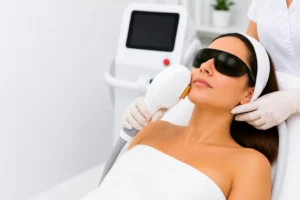
IPL treatment can decrease peri-lid inflammation and improve meibomian gland function, thus, supporting a healthier and more stable tear film.
Low-Level Light Therapy (LLLT)
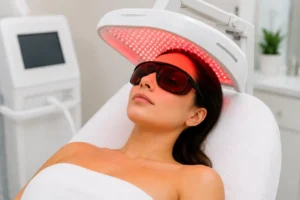
This non-invasive treatment involves a mild application of heat to the eyelids in order to stimulate natural meibomian gland activity.
LipiFlow Treatment
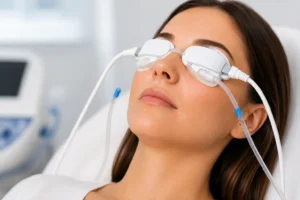
LipiFlow uses targeted heat and pressure to unblock the meibomian glands and return the normal flow of oil. This decreases the evaporation of tears.
Professional Heat and Gland Expression Therapy
Specific heat treatments, combined with manual expression of your glands, can help unclog it and improve the quality of oils which lubricate your tear film.
When to Seek Professional Advice
While isolated dryness in the morning can sometimes occur, if morning symptoms of dryness become a routine concern they cannot be ignored. Understanding the cause of your dryness is critical in effectively treating and managing the condition.